
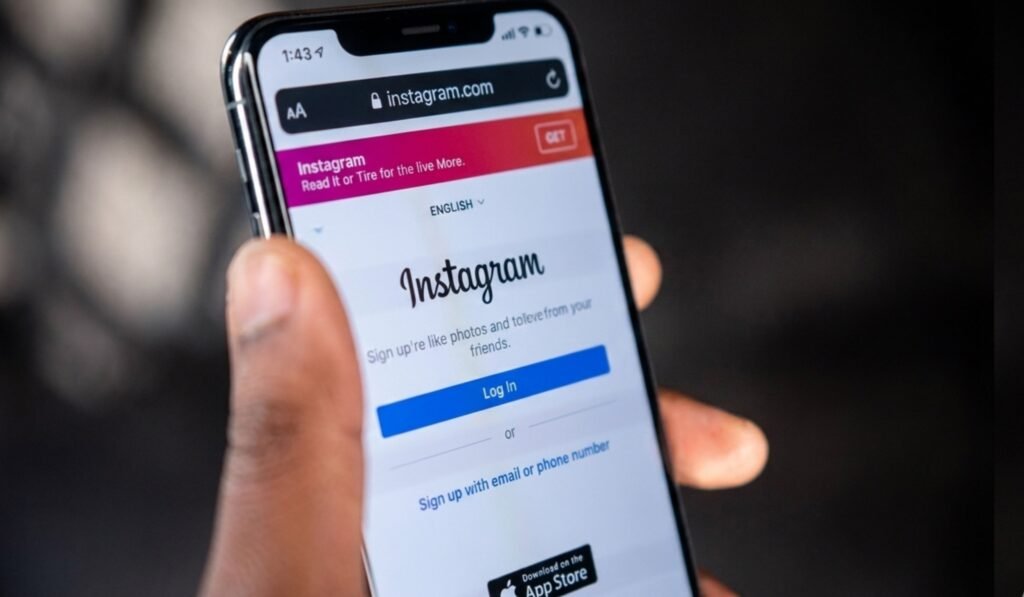
Instagram briefly surfaced a feature called Swap in its Help Center, then removed it without explanation. The description was simple. Users could take a Reel and replace the on-screen text with their own. The video itself would stay unchanged.
That detail is what triggered attention. Because the content underneath remains untouched, only the words on top shift. Some saw it as a remix tool. Others saw it as thin editing wrapped in a new label.
The Help Center wording was direct. “Swap, replace text, and put my own text on a reel.” It also mentioned that creators could disable it if they did not want others to alter their Reels in this way.
Then the page disappeared. No follow-up note. No timeline. Just removal. That left the feature in an uncertain state.
What Is the “Swap” Feature?
Swap is designed around one simple action. Take an existing Reel, keep the video, and change the text overlay.
Nothing else moves. No re-editing of clips. No new audio layer. Just text replacement.
So a trending video could circulate again, but with a different message placed on top. In practice, that means the same visual content can carry multiple interpretations depending on who edits the text.
It sounds minor. But on a platform built around reuse and remixing, even small changes can shift how content spreads.
meta
Conflict With Instagram’s Original Content Push
This is where the timing becomes awkward. Instagram recently updated its recommendation system to reduce reach for content without meaningful input. That update came with a clear direction. Reused content without added value would not travel as far.
The platform used phrases like “meaningful creative input” when describing what counts as acceptable reuse. That wording matters here.
Swap sits in a grey zone. The video stays the same. Only the text changes. That raises a basic question. Is changing text enough to qualify as new creative work, or is it just surface adjustment?
Instagram has not answered that directly.
What Counts as “Meaningful Creative Input”?
This phrase is doing a lot of work in Instagram’s policy, but it is not clearly defined.
In practice, it seems to point toward additions that change the substance of the original content. Commentary, editing, narration, or new framing usually fall into that category.
Swap does not touch the core structure of a reel. It leaves visuals untouched. It leaves audio untouched. It only replaces text placed over the video.
That is why creators are questioning where it fits. The line between remix and reuse starts to blur here.
Why the Feature Raises Concerns
The concern is not only technical. It is about control and attribution.
If users can freely modify text on Reels they did not create, the original meaning of ownership becomes less clear. A video can spread with multiple text versions attached to it, all pointing in different directions.
At the same time, Instagram has been pushing remix culture for years. Reels remixes, collaborations, and repost tools. So the platform is not new to reuse. What is different here is how little is being changed in the content itself.
That gap is what is creating tension.
Automation and Enforcement Questions
Another layer sits in how Instagram applies these rules. Most enforcement is automated. Systems scan content patterns and distribution behavior instead of relying on manual review.
That creates edge cases. Two posts can look similar but be treated differently depending on how the system reads engagement signals or reuse patterns.
Creator reports shared in recent sessions suggest that many scenarios still sit in testing phases. Clear rules exist on paper, but real-world edge cases take longer to settle.
Account-Level Penalties, Not Just Posts
One important shift is how penalties work now. Instagram does not only evaluate single posts. It looks at account behavior over time.
If an account repeatedly posts content flagged as unoriginal, reach across the profile can drop. Not just one post, the entire distribution range.
There is also recovery logic built in. If newer posts show originality over a rolling period, usually around 30 days, distribution can return gradually.
So the system behaves more like scoring than one-time punishment.
A System Still in Transition
The removal of the Swap description adds to the uncertainty. Features do not usually disappear without explanation unless they are still being tested or adjusted.
That leaves creators in a strange position. The rules around originality are tightening, while new tools that blur originality are still appearing in previews.
Both directions exist at the same time. That is where confusion starts.
Where Things Stand Now
Nothing about Swap is officially confirmed for full release. For now, it sits in an unclear stage between concept and product.
What is clear is the direction. Instagram is moving toward it. Less tolerance for low-effort reposting. More focus on original contribution. Heavier reliance on automated detection.
Until those lines are sharper, tools like Swap stay in a grey space. Not fully accepted. Not fully rejected.