

Pakistan and Japan are moving closer in the tech world. A new “Innovation Bridge” effort is helping Pakistani startups connect with Japanese investors and companies. The focus stays on areas that are growing fast right now. AI tools, fintech platforms, SaaS products, and blockchain-based systems.
The idea is not complicated. Pakistani founders need funding and access to larger markets. Japanese firms need fresh ideas and flexible tech teams. This setup gives both sides something useful without forcing a one-sided deal.
Tokyo Event Brings Founders and Investors Together
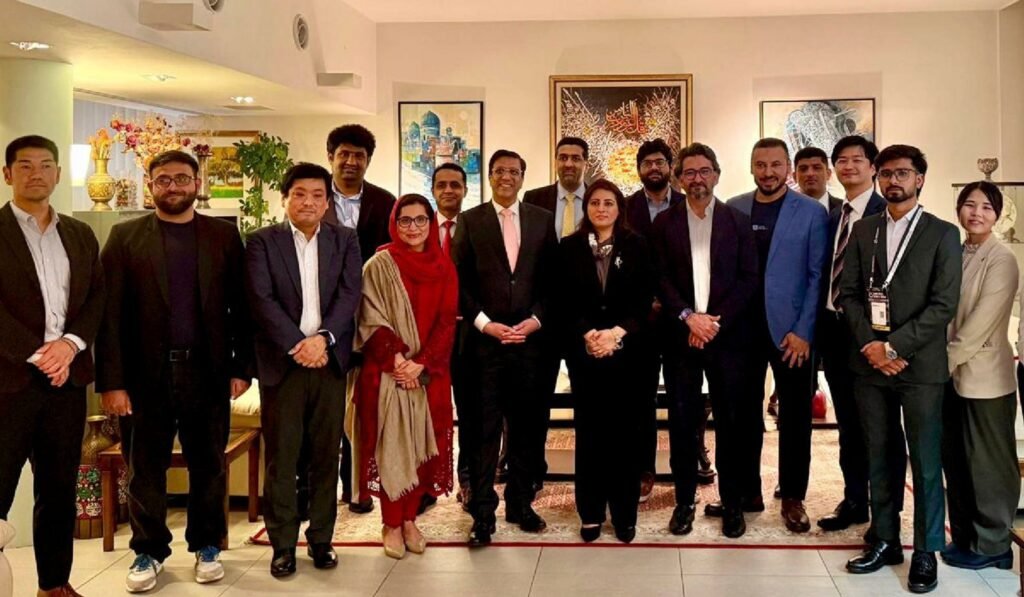
On April 30, 2026, the Pakistan Embassy in Tokyo hosted a GO GLOBAL forum focused on market entry and startup partnerships. The session pulled in founders, policy people, and investors from both countries.
Ambassador Abdul Hameed spoke about building long-term cooperation instead of chasing short-term wins. Ignite CEO Muhammad Bilal Abbasi explained how Pakistan is backing startups through funding programs and policy support.
Japanese speakers added their own angle. Representatives from SMBC Nikko Securities, Shibuya Startup Support, and Toyota’s blockchain division shared how local firms are working with startups through open innovation.
The tone of the event stayed practical. Less hype, more focus on what can work in real business settings.
Startups from Pakistan Present Their Work
Five startups from Pakistan pitched their products during the forum. Each one came from a different part of the tech space.
SuperButler AI showed tools that automate routine business tasks. The goal is simple. Save time and reduce manual work.
VoltShares focused on digital investment tools. Their platform tries to make investing easier for everyday users.
Camsense brought in computer vision and sensing tech. These tools fit into factories and industrial setups where automation matters.
RFIDify worked on tracking systems using RFID. This helps companies follow assets and manage supply chains without guesswork.
TeraFort presented cybersecurity solutions. As attacks grow more frequent, companies are looking for stronger protection without adding too much complexity.
None of these ideas are abstract. They solve problems that companies deal with every day. That’s what made them relevant for Japanese partners.
Pakistan’s Tech Sector Keeps Growing
Pakistan’s IT sector has been picking up pace over the past few years. In the first nine months of fiscal year 2025–26, IT exports reached $856 million.
Freelancing is a big part of that story. Over 2.3 million freelancers are active across global platforms. Many work in development, design, marketing, and AI-related services.
The government wants to push exports to $5 billion. To get there, it has been backing incubators, offering tax support, and improving digital infrastructure. Progress is uneven, but the direction is clear.
Talent Strength Remains a Key Advantage
Pakistan ranked 16th in the 2026 Global Outsourcing Talent Index. That puts it ahead of several larger economies.
The reasons are straightforward. A large young workforce, competitive costs, and strong English skills. For foreign companies, that combination matters more than flashy headlines.
Japanese firms see this as a chance to work with skilled teams without the cost pressure they face at home. Pakistani startups, on the other hand, get exposure to structured markets and long-term investors.
Why Japan Is Looking Outward
Japan is dealing with a shrinking workforce and an aging population. Its Society 5.0 plan aims to solve these issues using technology. Automation, smart systems, and digital services all play a role.
To move faster, Japanese companies are working more with startups. Not just local ones, but international teams as well. That shift creates room for countries like Pakistan to step in.
A Slow and Steady Model May Work Better
Ambassador Hameed pointed to an example that already exists. Japanese car companies like Toyota, Honda, and Suzuki did not expand in Pakistan overnight. They started small, built trust, and then grew over time.
The same approach can apply to tech partnerships. Start with pilot projects. Test ideas in real environments. If things work, scale them. If not, adjust and try again.
This reduces risk on both sides. It also builds stronger working relationships instead of quick, short-lived deals.
What Comes Next
The Pakistan-Japan startup connection is still developing. It’s not at a stage where big outcomes can be claimed yet. But the direction looks promising.
AI, fintech, SaaS, and blockchain will keep driving startup growth worldwide. Both countries have a role to play in that space. Pakistan brings speed and talent. Japan brings capital and structure.
If both sides stay consistent, this partnership can turn into something that goes beyond events and announcements. It can lead to real companies working together, building products, and entering new markets step by step.