
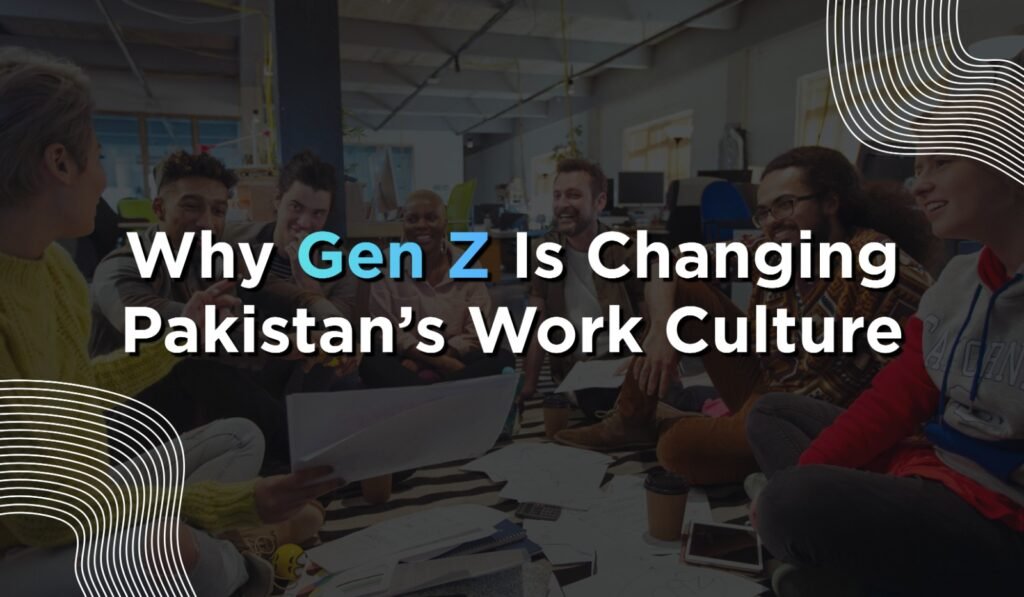
Pakistan is at a pivotal moment in its economic and social evolution, and at the heart of this change is a generation refusing to accept the status quo. Born between the late 1990s and early 2010s, Gen Z is now entering the Pakistani workforce in droves, armed with digital fluency, global perspectives, and a clear set of expectations that are fundamentally reshaping work culture across Karachi, Lahore, Islamabad, and beyond. For tech companies, startups, and even traditional industries in Pakistan, understanding this shift isn’t just optional—it’s essential for survival and growth.
Who is Gen Z in Pakistan?
Before diving into the “how,” let’s understand the “who.” Pakistani Gen Zs are the country’s first truly digital natives. They grew up with 3G/4G internet, smartphones, and social media platforms like TikTok, Instagram, and YouTube. Unlike previous generations, their worldview is shaped as much by local realities as by global digital trends. They’ve witnessed the explosion of Pakistan’s tech startup ecosystem, seen freelancers earn in dollars, and have access to online courses from the world’s top universities. This access has created a workforce that is informed, aspirational, and confident in its ability to contribute on a global stage.
The Key Drivers of Change: What Gen Z Demands
Gen Z’s entry into Pakistan’s job market is not a gentle nudge but a powerful push toward modernization. Here are the core areas where they are driving transformation:
1. Purpose Over Paycheck
While financial stability is important, Pakistani Gen Z places a high premium on meaningful work. They seek employers whose mission and values align with their own. They are keenly aware of social and environmental issues and want to work for organizations that demonstrate corporate responsibility. A company’s role in community development in Pakistan or its commitment to sustainable practices is a significant factor in their employment decisions.
2. Digital Fluency & Tech-Driven Work
This generation doesn’t just “use” tech, they inhabit it. They expect workplaces to have seamless digital infrastructures. Slow software, clunky communication tools, and paper-based processes are immediate red flags. They are natural adopters of cloud collaboration tools, project management platforms like Asana or Trello, and digital communication, making them powerful agents for digital transformation within Pakistani companies.
3. Demand for Flexibility & Work-Life Balance
The traditional 9-to-6 model, often with long commutes in Pakistan’s congested cities, is losing its appeal. Gen Z saw the viability of remote work in Pakistan during the pandemic and now considers it a standard, not a perk. They champion results-oriented work cultures, valuing output over hours logged at a desk. This demand is accelerating the adoption of hybrid and flexible work models across the country.
4. Continuous Learning & Growth
With platforms like Coursera, YouTube tutorials, and LinkedIn Learning, Gen Z is used to self-directed, on-demand education. They expect employers to provide opportunities for skill development in Pakistan. Static job descriptions are unappealing; they want clear paths for upskilling, mentorship, and rapid career progression. They are likely to leave a role if they feel their learning has stagnated.
5. Authentic & Transparent Leadership
Hierarchical, command-and-control management styles are ineffective with this generation. They value open communication, transparency from leadership, and managers who act as coaches rather than bosses. They want their voices heard in decision-making processes in Pakistani companies and expect feedback to be a two-way street.
6. Entrepreneurial Mindset
Inspired by the success of Pakistani tech startups like Careem, Bykea, and Airschool, many Gen Zers possess an entrepreneurial spirit. Even as employees, they bring this mindset: they are proactive, idea-oriented, and comfortable with agile methodologies. They prefer dynamic, fast-paced environments over rigid, bureaucratic structures.
The Impact on Pakistan’s Corporate Landscape
The influence of Gen Z is tangible. Companies are overhauling their policies to attract and retain this young talent.
- Revamped Office Spaces: Offices are becoming collaborative hubs with hot-desking, breakout areas, and better tech, moving away from cubicle farms.
- Focus on Mental Health: Discussions around employee well-being in Pakistan are gaining prominence, with companies introducing Employee Assistance Programs (EAPs) and mental health days.
- Performance Management Shift: Annual reviews are giving way to continuous feedback cycles and regular check-ins, aligning with Gen Z’s desire for constant growth.
- Diversity & Inclusion: There is a stronger push for inclusive workplaces that respect gender, ethnicity, and background, reflecting Gen Z’s progressive values.
Challenges & Opportunities for Pakistani Employers
This transition isn’t without friction. Generational gaps can lead to misunderstandings. Some traditional industries may struggle to adapt. However, the opportunities are immense.
For Employers: Adapting to Gen Z’s expectations means building a more resilient, innovative, and future-ready organization. It’s a chance to boost productivity, enhance employer branding, and reduce turnover. Investing in HR tech solutions in Pakistan and modernizing workplace policies is a strategic imperative.
For the Economy: As more companies adopt these modern practices, Pakistan’s overall business competitiveness improves. A happy, skilled, and digitally-equipped workforce attracts foreign investment and fosters a more vibrant entrepreneurial ecosystem in Pakistan.
The Future of Work in Pakistan: A Gen-Z Led Vision
The future that Gen Z is forging is one of flexibility, digital integration, and purpose. The workplace is becoming a platform for impact and personal growth, not just a source of income. This generation is proving that you can be deeply Pakistani while embracing global best practices.
For business leaders and entrepreneurs on TechinPakistan.pk, the message is clear: Engage with Gen Z, listen to their expectations, and adapt. They are not just the future workforce; they are the architects of the future of work itself. By embracing the changes they champion, Pakistan can position itself not just as a follower of global trends, but as an innovator in building a modern, humane, and high-performance work culture for the 21st century.
Is your organization ready for the Gen Z revolution? The time to adapt is now.