
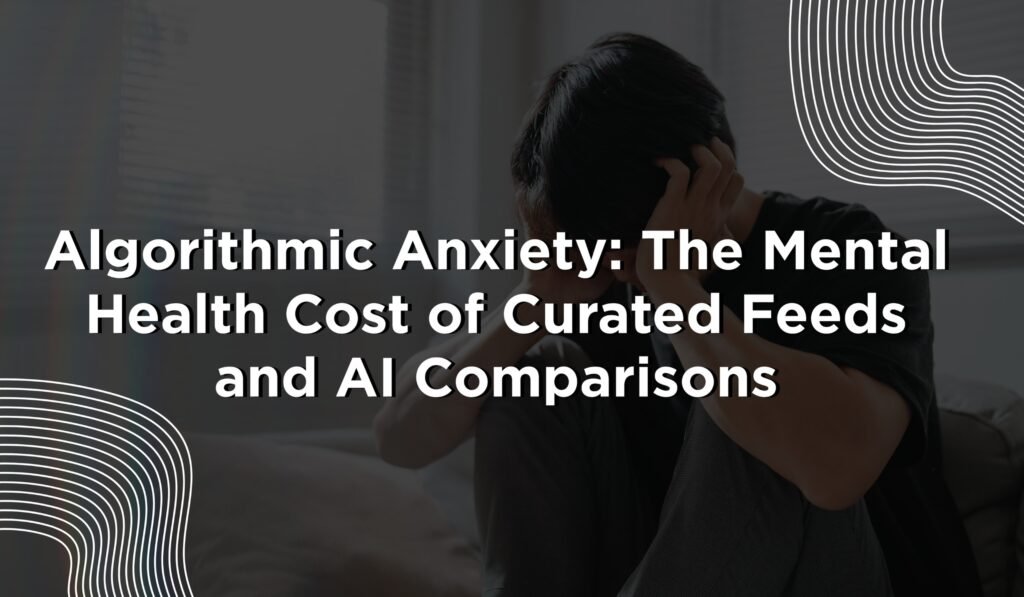
In the bustling digital landscape of Pakistan, where smartphone penetration soars and social media usage is among the highest in the world, a silent epidemic is brewing. It’s not transmitted through viruses, but through pixels and algorithms. Welcome to the age of Algorithmic Anxiety, a pervasive sense of stress, inadequacy, and psychological distress fueled by the very technologies designed to connect and entertain us. This deep dive explores how AI-powered curated feeds and constant digital comparisons are impacting mental health in Pakistan, and what we can do about it.
The All-Pervasive Algorithm: A Double-Edged Sword
From the personalized YouTube recommendations that keep us hooked for hours to the meticulously ordered Instagram feed showing us a highlight reel of global and local lives, algorithms are the invisible architects of our digital experience. In Pakistan, platforms like Facebook, TikTok, Instagram, and Snapchat are integral to social life, especially for the youth. These platforms use sophisticated machine learning algorithms to maximize engagement, often prioritizing content that evokes strong emotional reactions, be it envy, outrage, or aspiration.
The result? A personalized digital reality that is often disconnected from actual reality. The algorithm doesn’t just show you the world; it shows you a version of the world it calculates will keep you scrolling. This constant curation creates a pressure cooker for the mind.
The Comparison Trap: “FOMO” in the Pakistani Context
Social comparison theory tells us we determine our own social and personal worth based on how we stack up against others. Social media, with its algorithmic emphasis on curated perfection, has thrown this into overdrive. For the Pakistani user, this isn’t just about comparing lifestyles with global influencers. It’s increasingly about comparing yourself to:
- The former classmate from Lahore whose startup just got funded.
- The cousin in Karachi taking a luxurious vacation in the Northern Areas.
- The seemingly perfect “aesthetic” desi lifestyle blog.
- Even AI-generated personas and influencers who set impossible standards of beauty, success, and happiness.
This breeds intense Fear Of Missing Out (FOMO), anxiety, and a nagging feeling that one’s own life is inadequate. The algorithm, seeking to engage, may then feed you more of this aspirational content, creating a vicious cycle of comparison and declining self-esteem.
Quantified Selves and Invisible Benchmarks: The AI Measurement
The issue deepens with the rise of AI-driven analytics and metrics. Our worth becomes subtly tied to quantifiable engagement: likes, shares, views, comments. The algorithm decides who sees your content, making these metrics feel like a direct report card on your social validity. This can lead to obsessive checking, anxiety over post performance, and a constant tailoring of one’s authentic self to please the algorithmic gatekeepers.
Furthermore, AI tools in professional spheres—like LinkedIn’s job-matching algorithms or skill-assessment platforms—can create a sense of being perpetually evaluated by an opaque, unfeeling system, contributing to career-related stress and imposter syndrome.
The Pakistani Digital Psyche: Unique Vulnerabilities
The mental health cost of this algorithmic ecosystem is particularly acute in Pakistan due to specific socio-cultural factors:
- Collectivist Society: Where social standing and family honor are emphasized, public perception (now often measured online) carries immense weight.
- Youth Bulge: With a massive, digitally-native young population, a significant demographic is undergoing formative years within this anxiety-inducing environment.
- Economic Pressure: Algorithmically amplified displays of wealth and success contrast sharply with economic realities for many, heightening feelings of disparity.
- Stigma Around Mental Health: While digital comparisons cause anxiety, discussing mental health struggles remains taboo, leaving many to suffer in silence without seeking help.
SEO Keywords and Tech Trends: AI, Mental Health, and Digital Wellbeing in Pakistan
As we discuss Algorithmic Anxiety, it’s crucial to frame it within the relevant technology in Pakistan landscape. Searches for “digital wellbeing Pakistan,” “social media mental health impact,” and “AI effects on society” are rising. Tech giants are under increasing global scrutiny for their role in this crisis, leading to the development of ethical AI and responsible algorithm design. Features like screen time trackers and mute functions are early, albeit limited, steps toward giving users control.
Breaking the Cycle: Strategies for Digital Self-Care
Combating algorithmic anxiety requires conscious effort, both individually and collectively:
For Individuals:
- Practice Algorithmic Awareness: Remember, the feed is a curated performance, not reality. Actively question what you see.
- Curate Your Own Feed: Unfollow accounts that trigger negative comparisons. Mute keywords. Seek out diverse, authentic, and uplifting content.
- Digital Detox & Boundaries: Schedule specific, screen-free times. Turn off non-essential notifications. Use phone grayscale mode to reduce appeal.
- Re-engage with the Physical World: Prioritize real-world connections, hobbies, and the rich, uncurated experiences Pakistan’s culture and landscapes offer.
For the Tech Community & Policymakers:
- Advocate for Transparent Algorithms and user control over content curation.
- Promote Digital Literacy Education that includes mental health components in schools and universities.
- Support local Tech for Good initiatives that create positive online spaces.
- Develop and promote Mental Health Tech solutions, like local therapy apps (e.g., Taleem and Mann Mujhay) that are accessible and culturally relevant.
The Path Forward: Towards Ethical Tech and Healthier Digital Habits in Pakistan
The goal is not to vilify technology but to advocate for a healthier, more intentional relationship with it. The conversation around ethical artificial intelligence and human-centered design must grow louder in Pakistan’s tech circles. As a nation embracing the digital future, we must also champion digital wellbeing.
Algorithmic anxiety is the mental health cost of unexamined digital consumption. By understanding the manipulative power of curated feeds and AI comparisons, we can start to dismantle their influence. It’s time to shift from passive scrolling to active engagement, from comparison to compassion, starting with compassion for ourselves.
The future of technology in Pakistan should be measured not just in connectivity speeds and startup valuations, but in the psychological resilience and wellbeing of its users. Let’s build a digital Pakistan that connects us without consuming us, that informs without inflaming, and that reflects our true, complex, and beautifully imperfect reality.