
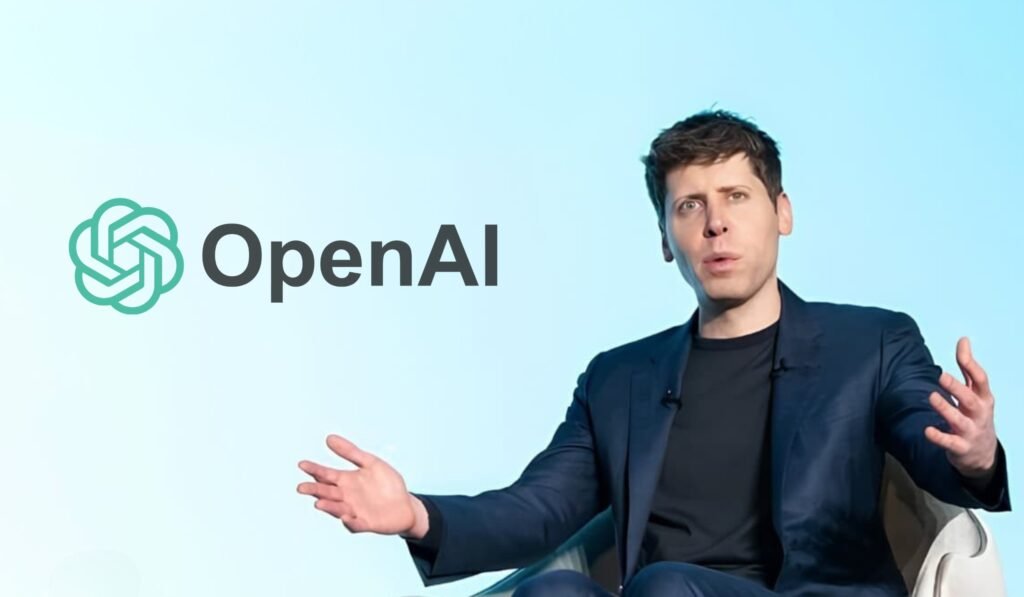
OpenAI CEO Sam Altman has introduced a new offer for startups inside Y Combinator’s Spring 2026 batch. The proposal gives each participating startup up to $2 million in OpenAI API tokens, though the offer comes with a condition tied to equity. Altman reportedly shared the announcement during a closed-door session with founders earlier this week.
The tokens are meant to help startups build products using OpenAI models without spending heavily on infrastructure during their early stages. AI development costs have become one of the biggest challenges for new startups, especially for small teams trying to train or scale products quickly. Under the proposed arrangement, startups would sign an uncapped SAFE agreement, short for Simple Agreement for Future Equity. That means OpenAI could eventually receive equity later rather than taking an immediate fixed ownership percentage. Y Combinator remains one of Silicon Valley’s best-known startup accelerators. Over the years, it has backed companies such as Airbnb, Stripe, DoorDash, and Reddit.
The accelerator usually invests $500,000 in exchange for around 7% equity and brings founders to San Francisco for a three-month in-person programme focused on mentorship, product development, fundraising, and investor networking. According to the current YC directory, the Spring 2026 batch includes roughly 169 startups. That means the combined token allocation could become extremely large if every company accepts the offer. The proposal also highlights how aggressively AI companies are competing for developer ecosystems. Instead of simply selling API access, companies are increasingly trying to lock startups into long-term infrastructure relationships early in their growth cycle.
For many founders, free or discounted compute access can make a major difference. AI tokens are expensive, especially for startups running large models, testing agents, or handling high-volume user requests. But not everyone sees the offer positively. Some investors and startup founders have raised concerns about the long-term tradeoff. One major concern is visibility into usage patterns. Since startups would be building directly on OpenAI infrastructure, critics argue OpenAI could potentially gain insight into emerging product ideas, user behavior, or growing markets. That does not automatically mean OpenAI would copy products, but some investors worry about the imbalance between startups and a company operating at frontier AI scale. There are also broader concerns around equity dilution.
YC already takes equity from participating companies, and many startups later raise seed funding that involves additional ownership reduction. Founders often reserve equity for early employees as well. Giving away more ownership in exchange for API credits can be risky. The startup may not gain strong traction from those tokens. In that case, the cost becomes hard to justify. Some founders still see the deal as useful. They treat it as a practical trade for early access to tools.
Early-stage startups often face cash flow problems. Infrastructure costs can rise quickly. API credits can reduce pressure on spending. They also help teams move faster during early growth. Y Combinator accepts startups from many countries, including Pakistan. Founders from different regions join each batch. But competition remains very high. Applicants usually need a strong founding team. A working product or a clear idea is also important. Selected teams must also be ready to relocate to San Francisco for the programme period. For now, Altman’s offer reflects a larger shift happening across the AI industry. Access to compute power and AI infrastructure is becoming almost as valuable as funding itself for many startups building AI-driven products.