
The Directorate General of Immigration and Passports (DGIP) is moving ahead with a major service overhaul aimed at modernizing Pakistan’s passport system. DGIP Director General Muhammad Ali Randhawa confirmed a series of changes, including
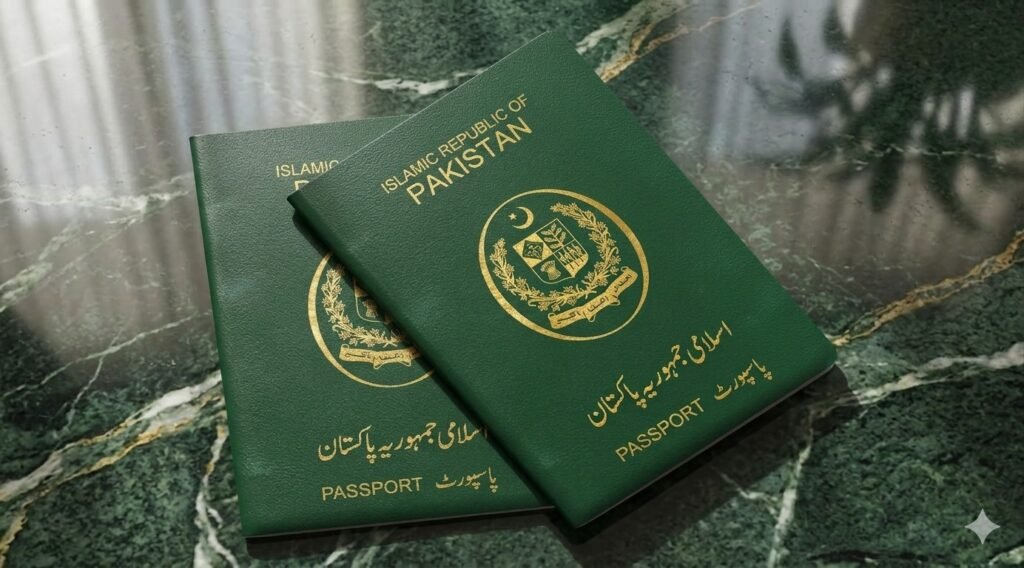
- The rollout of blue passports
- New digital tools
- A complete shift toward cashless payments.
The reforms aim to improve efficiency and reduce manual processes. They also make passport services easier for citizens to access across the country.
Blue passports for top taxpayers
One of the most notable changes is the introduction of blue passports for selected high taxpayers. On the instructions of the Prime Minister, authorities have approved this category for 42 top taxpayers in the country. These individuals have been recognized for their strong tax contributions and economic role. The government has also referred to them as “ambassadors at large,” highlighting their representation of Pakistan in international spaces.
Most of the approved blue passports have already been issued. Officials are also reviewing a second proposal. This plan suggests a new passport category for high-earning businessmen who pay taxes above a defined threshold. The Ministry of Commerce and the Federal Board of Revenue (FBR) are currently assessing the criteria and structure for this potential rollout.
Shift toward digital passport services
DGIP is also planning a shift in how citizens apply for passports. Work is underway on an online application system to reduce dependency on physical offices and address staffing shortages.
Officials are considering two options. One is a dedicated DGIP mobile application. The other is an expansion of NADRA’s existing Pak-ID platform. If implemented, applicants will be able to complete the process from home. They would upload photographs, identification documents, and previous passports directly through the system. Any missing requirements would be communicated through email or system notifications.
To support this digital transition, DGIP is also preparing an automated chatbot service. It will support the digital transition. The chatbot will guide users step by step. It will explain document requirements. It will also show real-time application status. The goal is to reduce pressure on call centers. It will help applicants get faster responses. It will also reduce waiting times.
Cashless payment system from June 30
A major financial change is also coming. Starting after June 30, passport fee payments will no longer be accepted at National Bank branches. Instead, DGIP will move to a fully cashless payment system. Each application token will include a QR code. Applicants will scan it and pay through mobile banking apps or digital wallets. Officials say this system is designed to reduce fraud and limit the role of middle agents who often create delays or charge extra fees.
Home delivery of passports
Another major update is the introduction of home delivery services for passports. DGIP is currently in discussions with courier companies to handle nationwide delivery. Under the plan, applicants will be able to receive their passports directly at home after paying a small delivery fee. The service will initially launch in major cities and later expand nationwide. In a second phase, the facility is expected to extend to overseas Pakistanis as well.
Wider modernization push
Together, these changes show a clear shift toward digitization at DGIP. The focus is on reducing manual work and improving transparency. It also aims to improve access to essential documentation services. Officials say the reforms will speed up the passport system. They also aim to make it more secure and easier to use. This applies to both local and overseas applicants.