
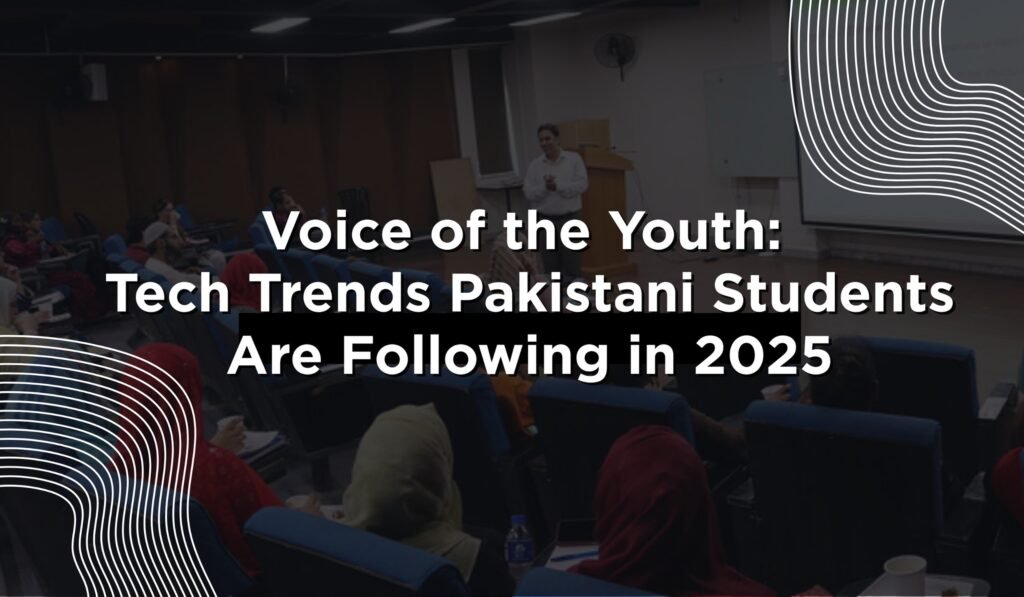
If you want to see the future of technology in Pakistan, don’t just look to corporate boardrooms or startup incubators. Look to the university cafeterias, the bustling co-working spaces in Lahore and Karachi, and the online study groups buzzing late into the night. Pakistan’s youth, a massive, connected, and brilliantly ambitious demographic, are not just passive consumers of global tech trends. They are active shapers, adaptors, and often, the very creators of the digital wave sweeping the nation.
In 2025, this momentum has reached a fever pitch. Moving beyond basic social media use, Pakistani students are leveraging technology to build careers, solve local problems, and claim their space on the global digital stage. This isn’t just a list of popular apps; it’s a blueprint for the future, written by the youth themselves.
Here are the 5 defining tech trends Pakistani students are passionately following and driving in 2025.
1. The AI Co-Pilot: From Chatbots to Career Builders
Gone are the days of viewing AI as a distant, futuristic concept. For the student in 2025, AI is a daily co-pilot. This goes far beyond using ChatGPT to draft an essay.
- Hyper-Personalized Learning: Students are using AI tools to create custom study plans, generate practice quizzes on specific textbook chapters, and get complex STEM problems broken down in Urdu or regional languages. AI isn’t cheating; it’s the ultimate tutor.
- Skill-Building at Warp Speed: Want to build a mobile app but only know Python? Students are using AI-powered coding assistants to bridge knowledge gaps, debug code, and learn by doing at an unprecedented pace. They’re compressing years of learning into months, directly aligning their skills with global tech employment trends.
- The Hustle, Automated: From automating LinkedIn outreach for internships to using AI to analyze and optimize their freelance gig profiles on Upwork, students are leveraging automation to professionalize their pursuits early. As covered in our analysis on From Freelancers to Global Talent, this AI-augmented hustle is preparing them for high-value tech export roles.
2. The Creator Economy 2.0: Niches, NFTs, and National Pride
The dream is no longer just to be a viral TikTok star. The Pakistani student creator in 2025 is a niche entrepreneur.
- Micro-Expertise on Display: They’re building dedicated followings around hyper-specific interests: coding tutorials for Roblox game development, deep-dive history threads on the Indus Valley Civilization, or complex science explainers in Urdu. Platforms like YouTube, TikTok, and emerging decentralized social media are their studios.
- Monetizing Digital Artistry: With a booming local animation and design industry, students skilled in digital art are exploring Web3 tools and NFT marketplaces to sell their work globally. They’re not just artists; they’re digital asset creators.
- Content with a Conscience: There’s a strong trend towards content that tackles local issues, tech explainers on water conservation, podcasts dissecting the startup ecosystem, or documentaries shot on smartphones about cultural heritage. This content builds an authentic, respected personal brand that often translates into career opportunities.
3. EdTech Beyond the Lecture: The Rise of “Just-in-Time” Learning
Trust in rigid, years-long degree programs to guarantee a job is waning. Students are supplementing their formal education with agile, just-in-time learning.
- Micro-Credentials are King: Platform-based courses from Coursera, Google, and Meta, offering certificates in AI skills, digital marketing, or UI/UX design, are seen as crucial resume boosters. These credentials provide the specific, industry-recognized skills that syllabuses often lag behind.
- The Bootcamp Boom: Intensive, short-term coding and AI bootcamps (many offered by local Pakistani edtechs) are wildly popular. They offer a faster, more practical pathway to a tech career, a trend we actively track at Techinpakistan.pk to guide our audience.
- Peer-to-Peer Learning Networks: Discord servers and WhatsApp groups dedicated to specific skills (e.g., “Flutter Developers Pakistan,” “Data Science Beginners”) are where real-time learning happens. Students teach each other, share job leads, and form the collaborative networks that will define their professional lives.
4. Sustainable & Impact Tech: Coding for a Cause
A defining characteristic of Gen Z globally is its focus on sustainability and social impact. Pakistani students are channeling this directly into their tech projects.
- Agri-Tech and Climate Solutions: Computer science and engineering students are increasingly building final-year projects around smart irrigation systems, crop disease detection apps using smartphone cameras, and air quality monitoring networks. Technology is seen as a tangible tool to address Pakistan’s pressing environmental challenges.
- FinTech for Financial Inclusion: With a huge unbanked population, students are fascinated by blockchain and fintech models that can provide secure, low-cost financial services. Projects exploring micro-investment platforms or blockchain-based land registries are common in tech circles.
- HealthTech Accessibility: From apps that connect patients with distant specialists via telemedicine to simple SMS-based health information services, there’s a drive to make healthcare solutions accessible and affordable.
5. The Hyper-Localized Global Network
This is the most powerful trend of all. Pakistani students are masterfully operating in two worlds simultaneously.
- Global Community, Local Identity: They are collaborating on open-source projects with developers in Sweden, taking virtual internships with companies in Singapore, and selling digital services to clients in the US, all while working from their homes in Islamabad, Peshawar, or Hyderabad. Their professional network is global.
- Solving for Pakistan, Scaling Globally: The most ambitious student startups begin by solving a very local problem, be it ride-hailing for university campuses, a platform for finding skilled tutors, or a service for traditional artisans to sell online. The model, however, is built with the potential to scale to other emerging markets. They are thinking glocally from day one.
The Bottom Line: A Generation Not Waiting for Permission
While other outlets provide excellent news coverage, at Techinpakistan.pk, our focus is on the human engine behind the headlines. The trend is clear: Pakistani students in 2025 are empowered, self-directed, and pragmatically optimistic.
They are not waiting for perfect infrastructure or ideal policies. They are using affordable smartphones, patchy but pervasive 4G, and a relentless drive to skill up, connect, and build. They are actively transitioning from being users of technology to becoming its architects. Their choices today, the skills they learn, the platforms they build on, the problems they choose to solve, are quite literally shaping what Pakistan’s tech export landscape will look like tomorrow.
The voice of the youth is loud, clear, and speaking the language of the future. It’s time we all listened.