
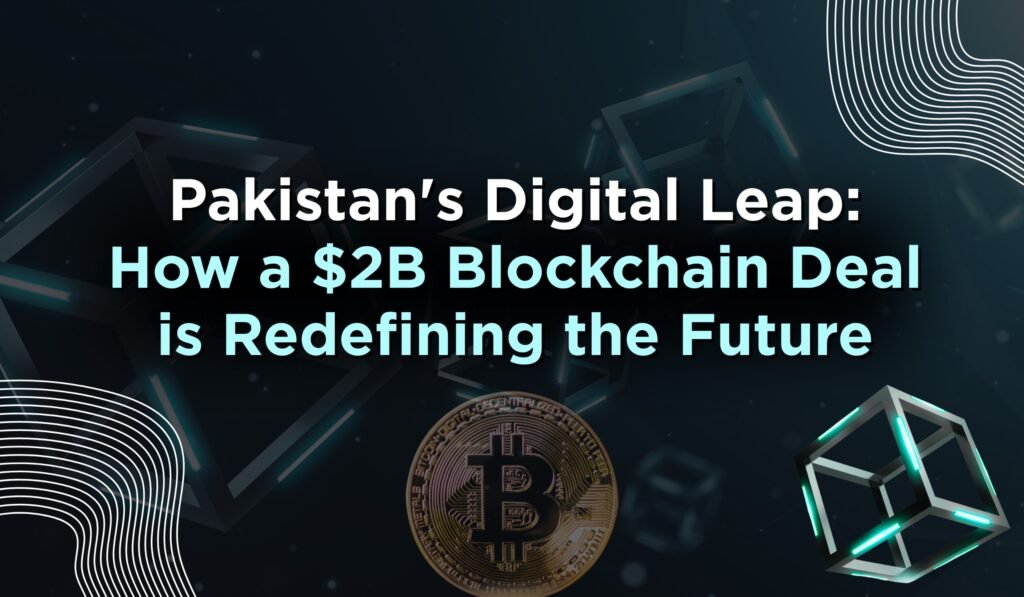
Imagine if a portion of Pakistan’s national assets, whether agricultural commodities, infrastructure projects, or even sovereign debt, could be owned, traded, and invested in with the same ease as buying a book online. This isn’t speculative fiction. In a move that signals a seismic shift in its economic strategy, Pakistan has taken a decisive step into the digital frontier. The recent Memorandum of Understanding (MoU) between Binance and the Government of Pakistan to explore the tokenization of over $2 billion in sovereign assets is more than a financial headline. It is the catalyst for a powerful convergence, a Crypto and AI Revolution in Pakistan, that promises to reshape the nation’s financial landscape, regulatory environment, and global economic identity.
Decoding the Deal: What Does “Tokenizing Sovereign Assets” Actually Mean?
At its core, tokenization is the process of converting rights to a real-world asset—like real estate, art, or in this case, sovereign assets, into a digital token on a blockchain. Think of it as creating a digital twin or a secure, tradable digital certificate of ownership.
This Binance agreement on blockchain tokenization proposes to take select Pakistani national assets, potentially including:
- Commodities: Like rice or textile exports.
- Infrastructure Bonds: For projects in energy or transportation.
- Islamic Finance Instruments (Sukuk): Creating digital, Sharia-compliant investment opportunities.
- Government Debt: Offering new ways to finance development.
By placing these on a blockchain, they become more liquid, transparent, and accessible. A global investor in Singapore could, in theory, purchase a fractional, tokenized share of a Pakistani hydroelectric dam project with a few clicks. This unlocks unprecedented capital inflow and democratizes access to Pakistan’s economic growth story.
The Driving Force: Regulation Meets Innovation
This ambitious move is not occurring in a vacuum. It is the direct result of Pakistan’s accelerating journey toward digital asset regulation. For years, the crypto space operated in a grey area. The proactive establishment of a dedicated Financial Technology (FinTech) Wing within the Securities and Exchange Commission of Pakistan (SECP) marked a turning point. This wing’s goal is clear: to craft a framework that protects investors and ensures stability while fostering innovation.
The Binance MoU is a testament to this maturing regulatory mindset. It represents a shift from reactive restriction to proactive partnership. The government isn’t just opening the door to crypto; it is strategically leveraging blockchain technology for sovereign assets to solve real economic challenges, liquidity, foreign investment, and efficient capital mobilization. This focus on Pakistan’s sovereign digital assets establishes a new asset class, positioning the nation as a forward-thinking player in the global digital economy.
The AI Connection: Powering a Smarter Financial Ecosystem
This is where the narrative expands from a crypto revolution to a broader digital transformation. Blockchain provides the secure, immutable ledger for assets, but Artificial Intelligence (AI) is the engine that will drive their intelligence and utility.
In the emerging fintech ecosystem in Pakistan, AI and blockchain are twin pillars:
- AI-Powered Compliance
Regulatory technology (RegTech) using AI can monitor tokenized asset transactions in real-time, flagging suspicious activity and ensuring seamless compliance with both local and international laws, a critical factor for global investor trust.
- Smart Marketplaces
AI algorithms can analyze global demand, dynamically price tokenized commodities, and match them with ideal investors, optimizing returns for the state.
- Personalized Finance
For the average Pakistani, this ecosystem could eventually lead to AI-driven investment advisors suggesting micro-investments in tokenized national projects, fostering a culture of savings and national stakeholding.
The Binance deal, therefore, isn’t just about crypto. It’s about laying the foundational infrastructure for a tech-driven, AI-enhanced economic model.
Impact on Pakistan’s FinTech Ecosystem: A New Dawn
The ripple effects of this sovereign tokenization initiative will be profound for Pakistan’s fintech ecosystem:
- A Magnet for Talent and Investment: This high-profile validation will attract global venture capital, blockchain developers, and fintech entrepreneurs to Pakistan, creating a vibrant hub for innovation.
- Banking the Unbanked, Digitally: By building a robust digital asset infrastructure, the path becomes clearer for integrating decentralized finance (DeFi) solutions, potentially offering financial services to millions currently outside the traditional banking system.
- Legitimacy and Public Trust: A government-led digital asset project lends immense legitimacy to the entire blockchain space, encouraging cautious citizens and institutions to explore and adopt new technologies.
- A Blueprint for the Region: Success here could position Pakistan as a leader in Islamic fintech and digital assets, creating a model for other OIC nations to follow.
Navigating the Challenges: The Road Ahead
The promise is immense, but the path requires careful navigation. Key challenges include:
- Finalizing a Robust Regulatory Framework: The MoU is an exploratory first step. Clear, final regulations on digital securities, investor protection (KYC/AML), and taxation are urgently needed.
- Technological and Security Infrastructure: Ensuring the underlying blockchain infrastructure is scalable, interoperable, and impervious to cyber threats is paramount.
- Financial Literacy and Public Buy-in: Educating both the public and institutional investors on the benefits and risks of this new digital asset class will be crucial for its adoption.
Conclusion: From Sovereign Debt to Sovereign Digital Leadership
The Binance MoU for Pakistan’s $2B asset tokenization is far more than a business deal. It is a bold declaration of intent. Pakistan is choosing not just to participate in the Fourth Industrial Revolution, but to help lead it in the developing world.
By marrying blockchain tokenization with a progressive regulatory approach and the integrative power of AI, Pakistan is laying the groundwork for a more inclusive, efficient, and globally connected economy. This move transcends finance; it’s about building a modern, transparent, and innovative national identity for the digital age. The journey has just begun, but the message is clear: Pakistan is not just watching the future of money unfold, it is now actively building it.